

Romanian Mausoleum, Museum Display and Memorial Park – village of Grivitsa
Cultural Monument of National Significance
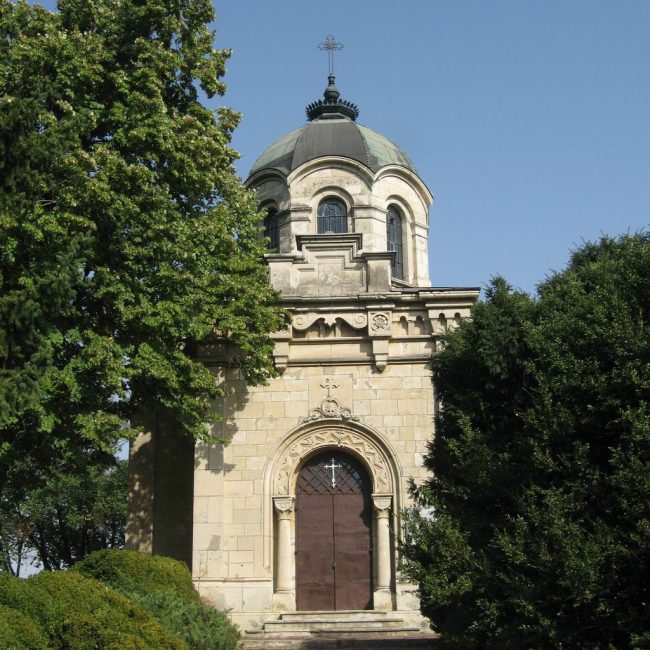
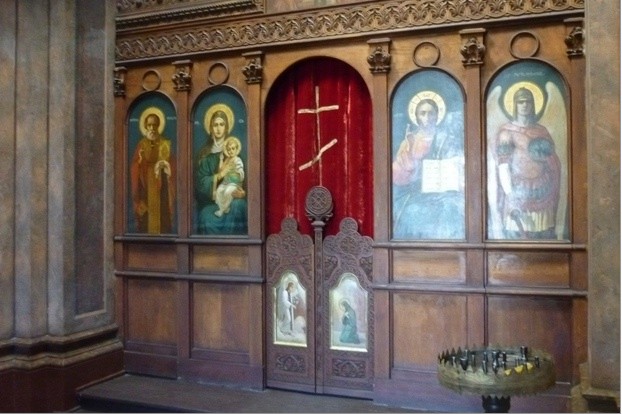
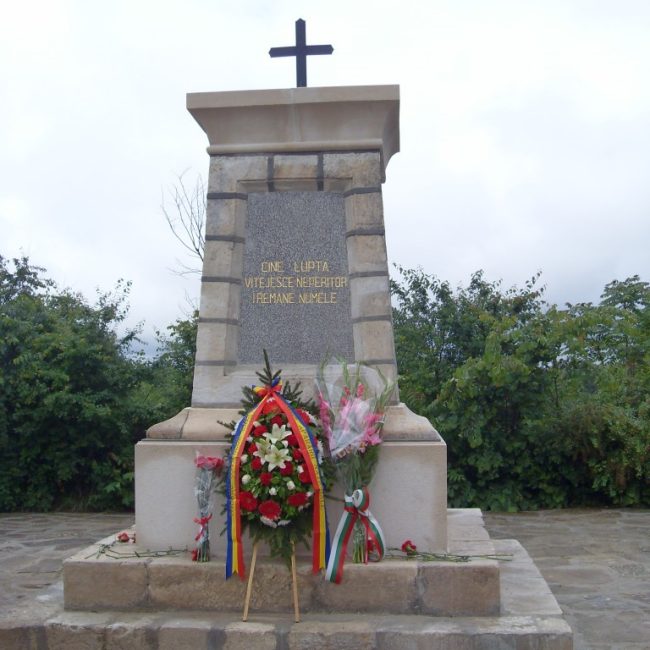
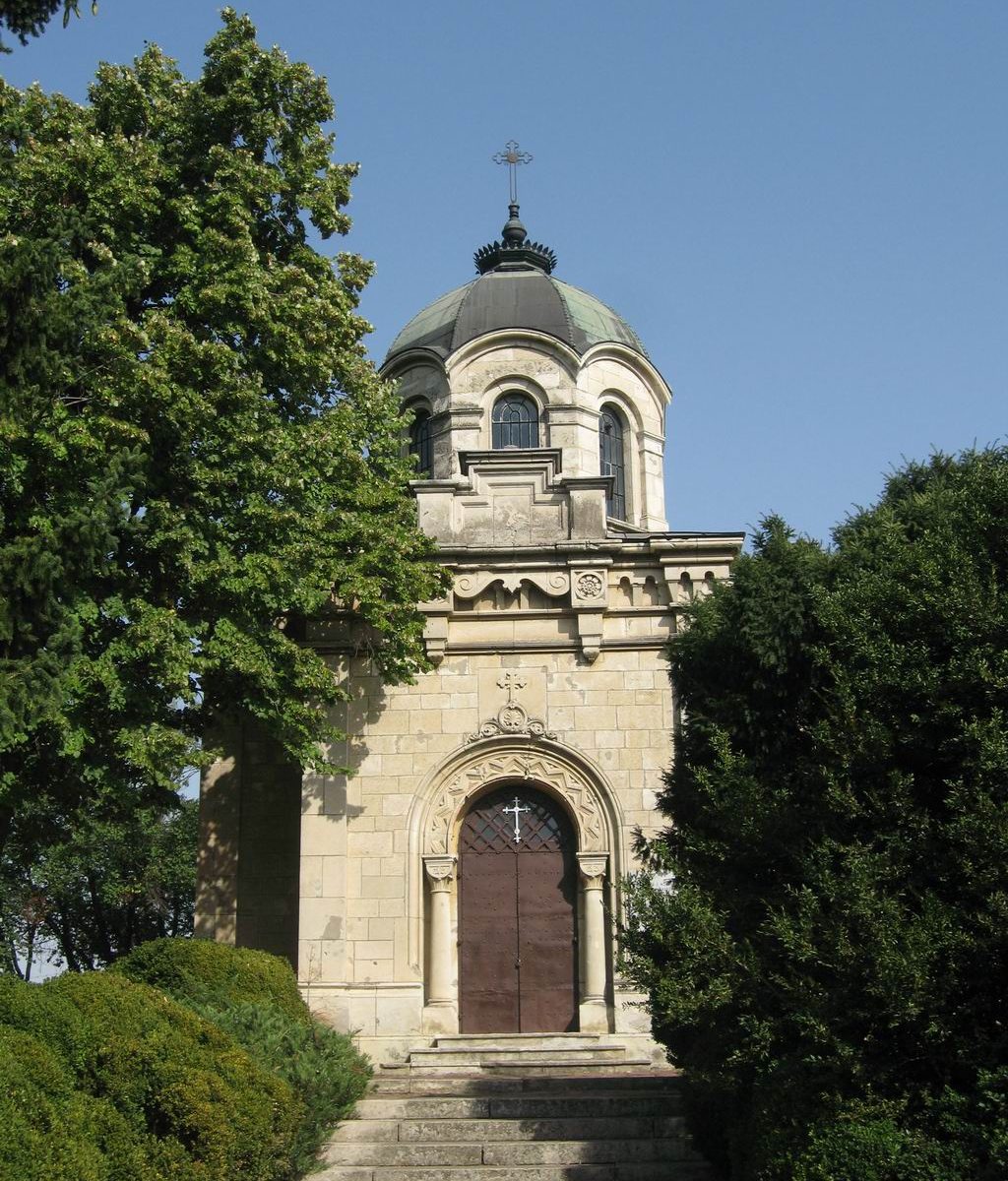
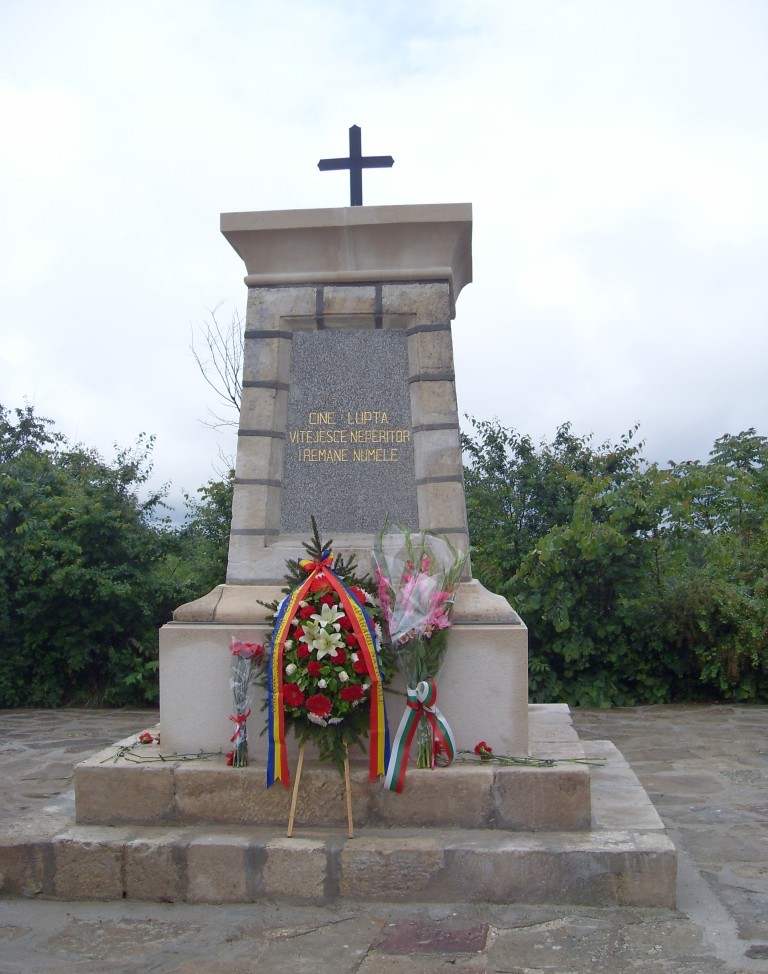
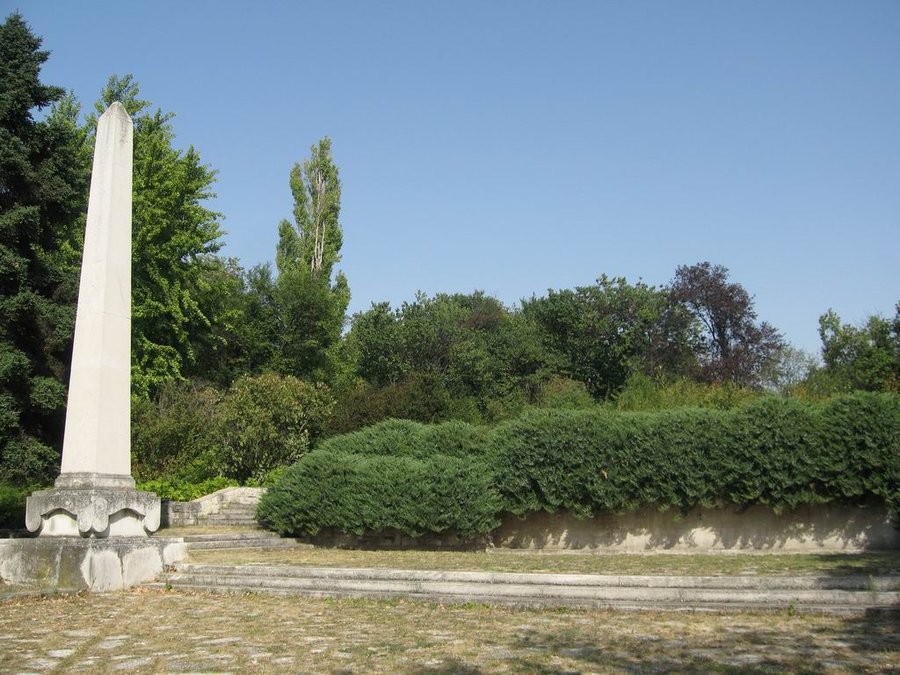
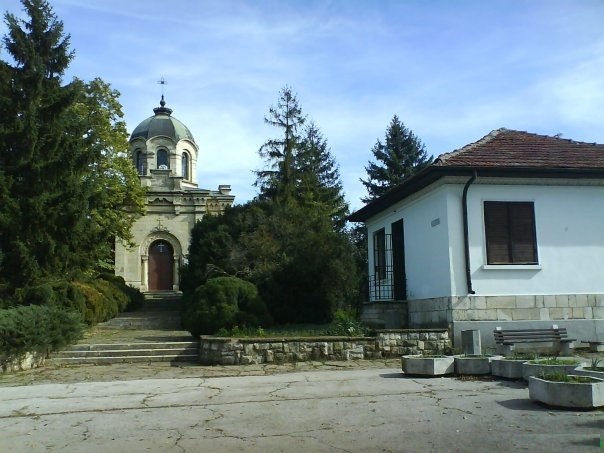
The mausoleum was built in the period of 1892-1897 in memory of the perished Romanian warriors with money from the Romanian people. It was opened in 1902. The iconostasis and the wall paintings in the church were made by Romanian artists. Immediately after the war 17 Russian and Romanian monuments were built on the common graves in the area of the redoubts at Grivitsa.
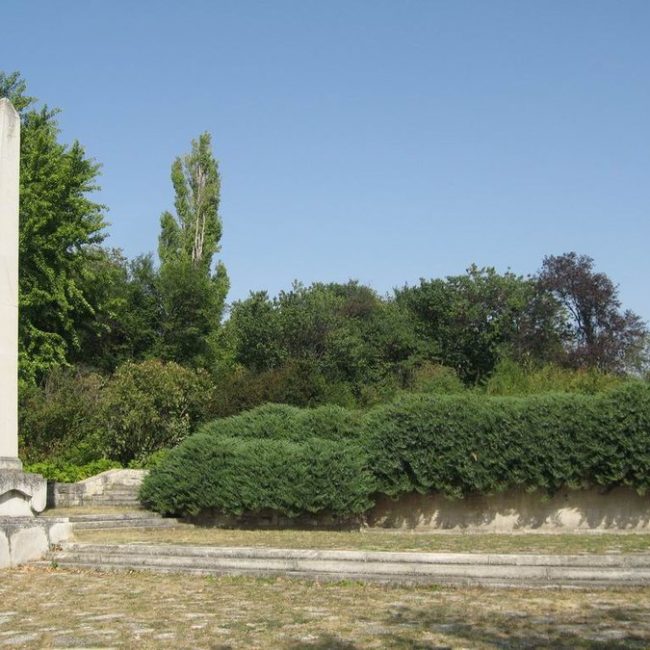
In 1958 a memorial park was made on an area of 360 hectares. In 1967 a museum exhibition was opened. It is dedicated to the battles of Grivitsa during the Russo-Turkish war and the military operations of the Romanian army.
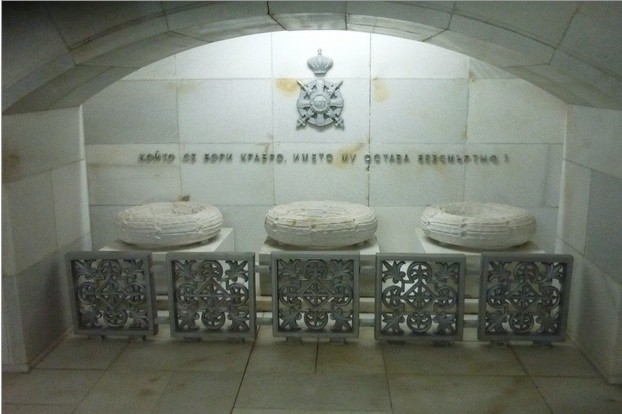
The mausoleum consists of a temple and an ossuary. The bones of the soldiers killed at Grivitsa are kept in marble sarcophagi. There are 4 icons on the iconostasis: “Jesus Christ”, “St. Nickolas”, “Archangel Michael” and “Mother of God and the new born child”. In 1902 a brass medallion was put on the iconostasis. The text on it is in Romanian and it is dedicated to the Romanian warriors.
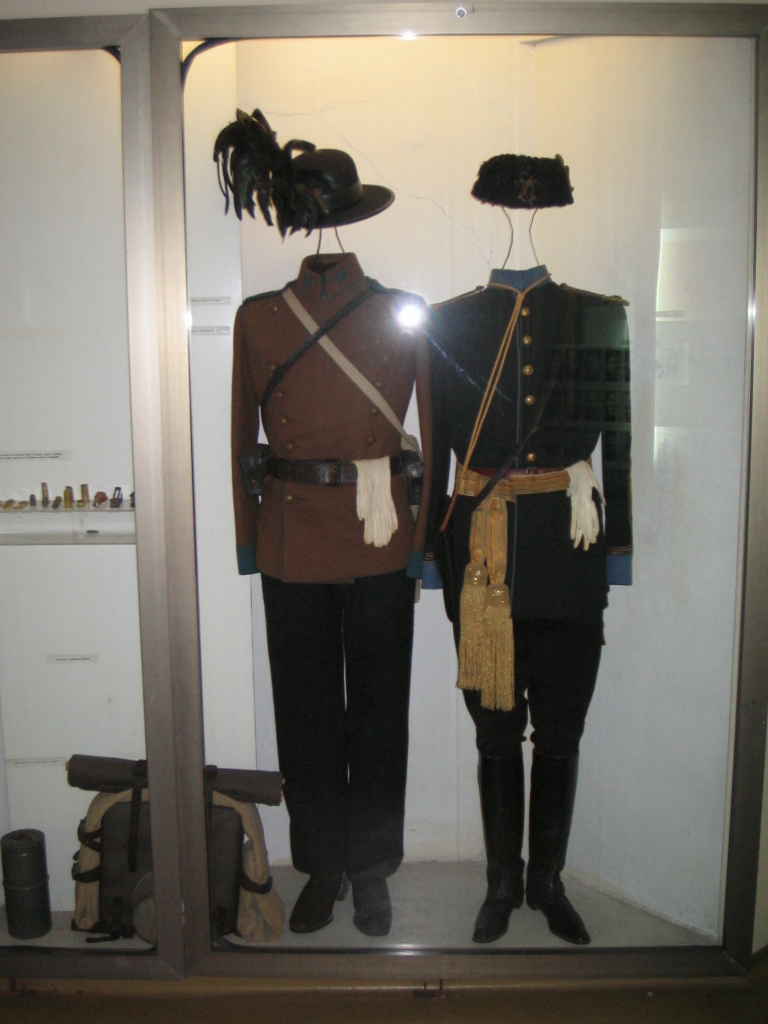
The museum exhibition depicts the Romanian participation in the Russo-Turkish war 1877-1878. You can see the battles at Grivitsa led by the Russian army at the beginning of Pleven Epopee and later at the time of the 3rd storm (11th – 12th September 1877) by the Romanian army.
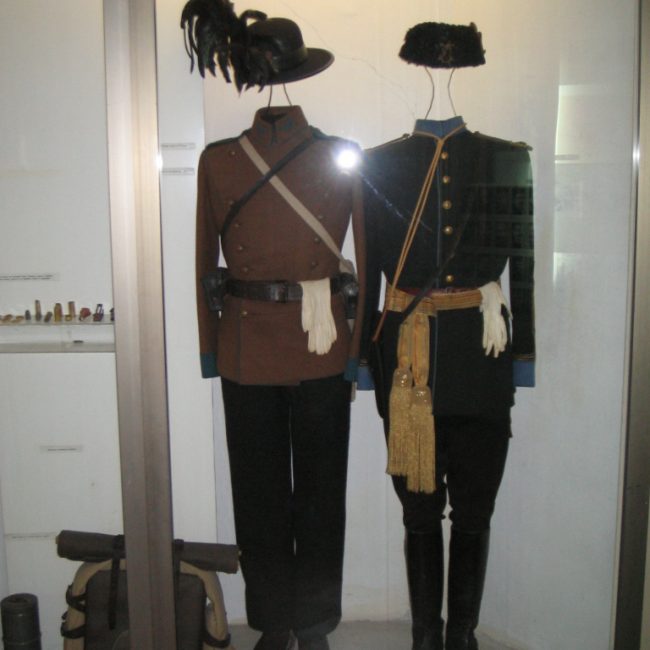
There are original Romanian uniforms, copies of Romanian banners and objects used by the villagers during the Russo-Turkish war.
Visits are available by prior arrangement by phone: +359 64 830 251
Opening hours:
Tuesday – Saturday
9:00 – 12:00 12:30 – 17:00
Closed – Sunday and Monday